Rescue of Widow Douglas
The Rescue of Widow Douglas marks a decisive turning point in Huckleberry Finn's moral development and in the novel's plot, as the boy who had sworn a blood oath of silence about the graveyard murder chooses to break that silence to prevent a brutal act of revenge. The event transforms Huck from a passive witness into an active protector, and it sets in motion the chain of revelations that will ultimately lead to the recovery of the treasure and Huck's adoption into respectable society.
Background and the Threat
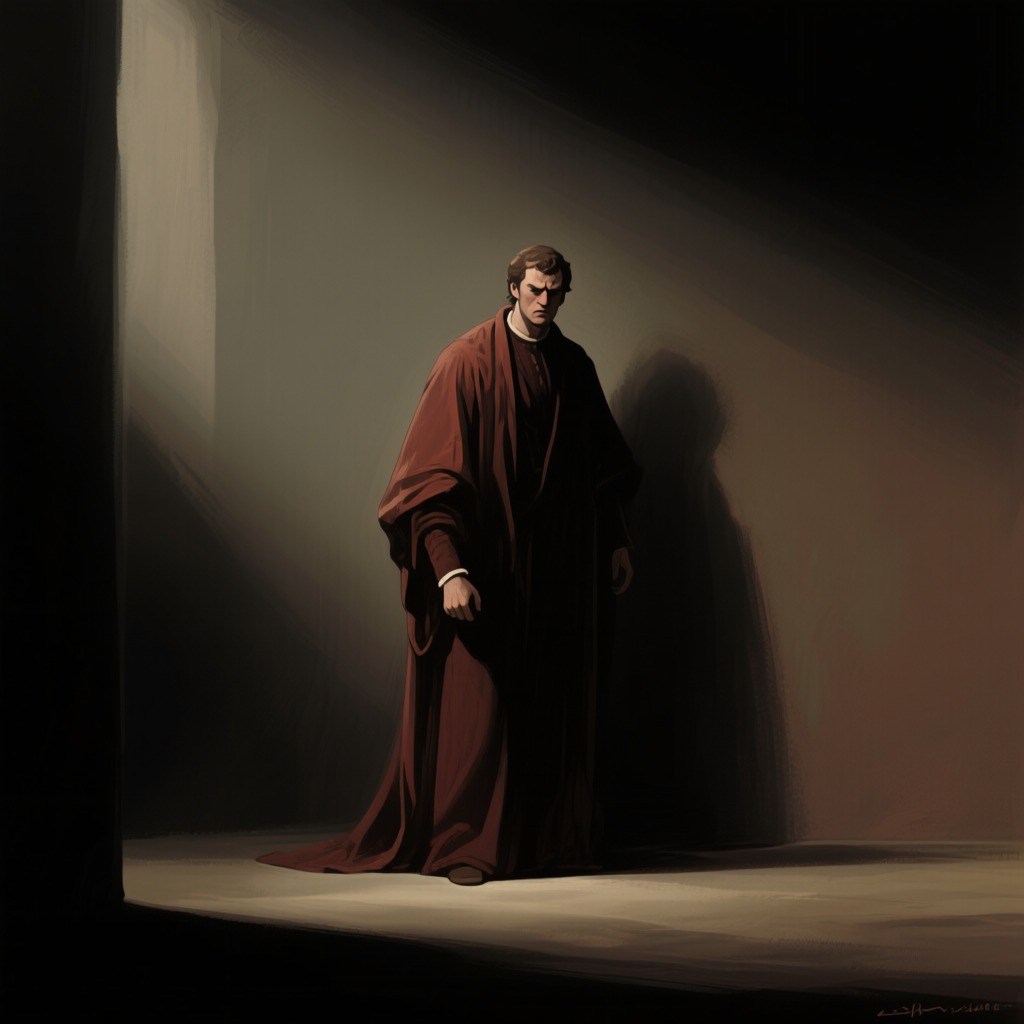
Injun Joe's motive for attacking the Widow Douglas was not robbery but a deeply personal vendetta. As he explained to his accomplice while they lurked near the widow's house, her husband—the justice of the peace—had once had him jailed as a vagrant and, more unforgivably, had him horsewhipped in front of the jail "like a nigger" with the whole town looking on. Since the husband had died, Injun Joe declared he would "take it out of her." His plan was not to kill her outright but to disfigure her: he spoke of slitting her nostrils and notching her ears "like a sow," then tying her to the bed and letting her bleed to death. The accomplice, the ragged man from the haunted house, was reluctant but was coerced by Injun Joe's threat to kill him if he flinched. The two men waited in the sumach path near the stile leading into the widow's grounds, intending to strike after the lights in the house went out.
Huck's Decision to Act
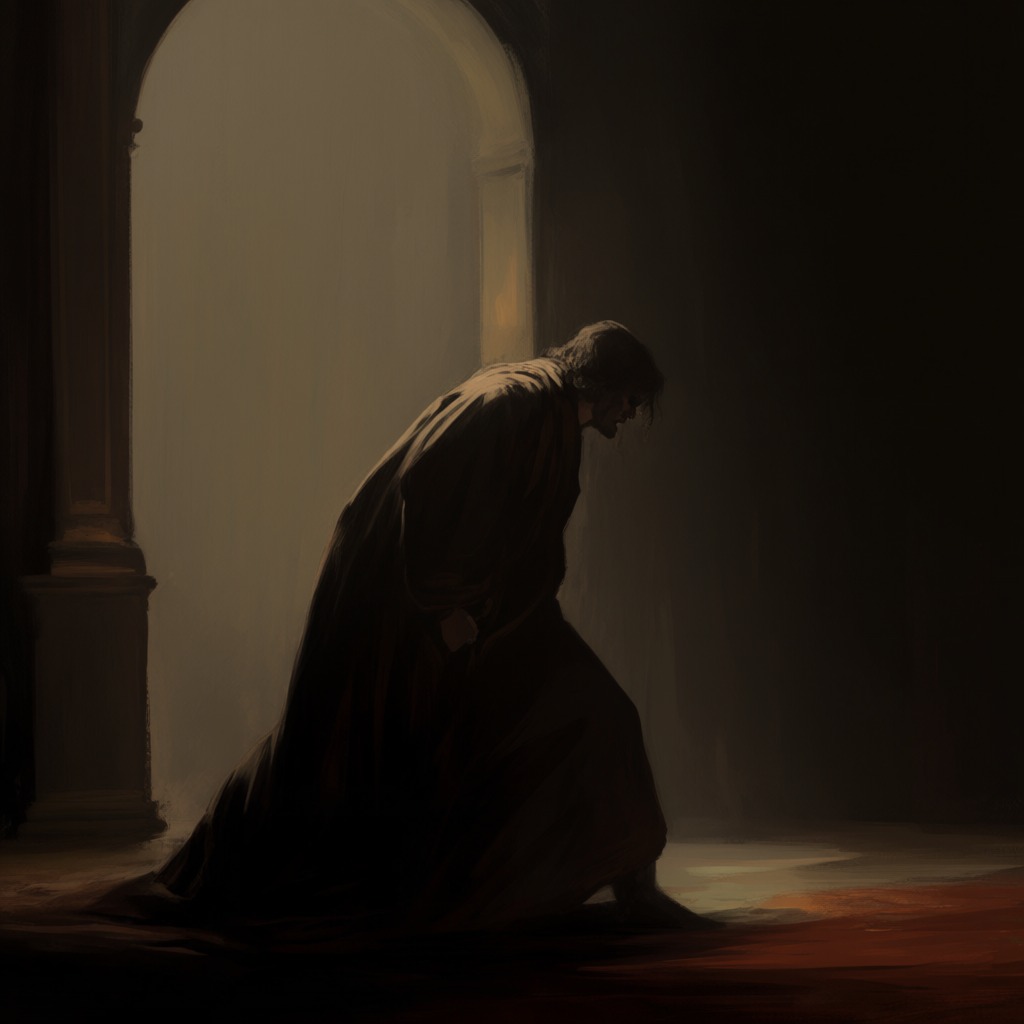
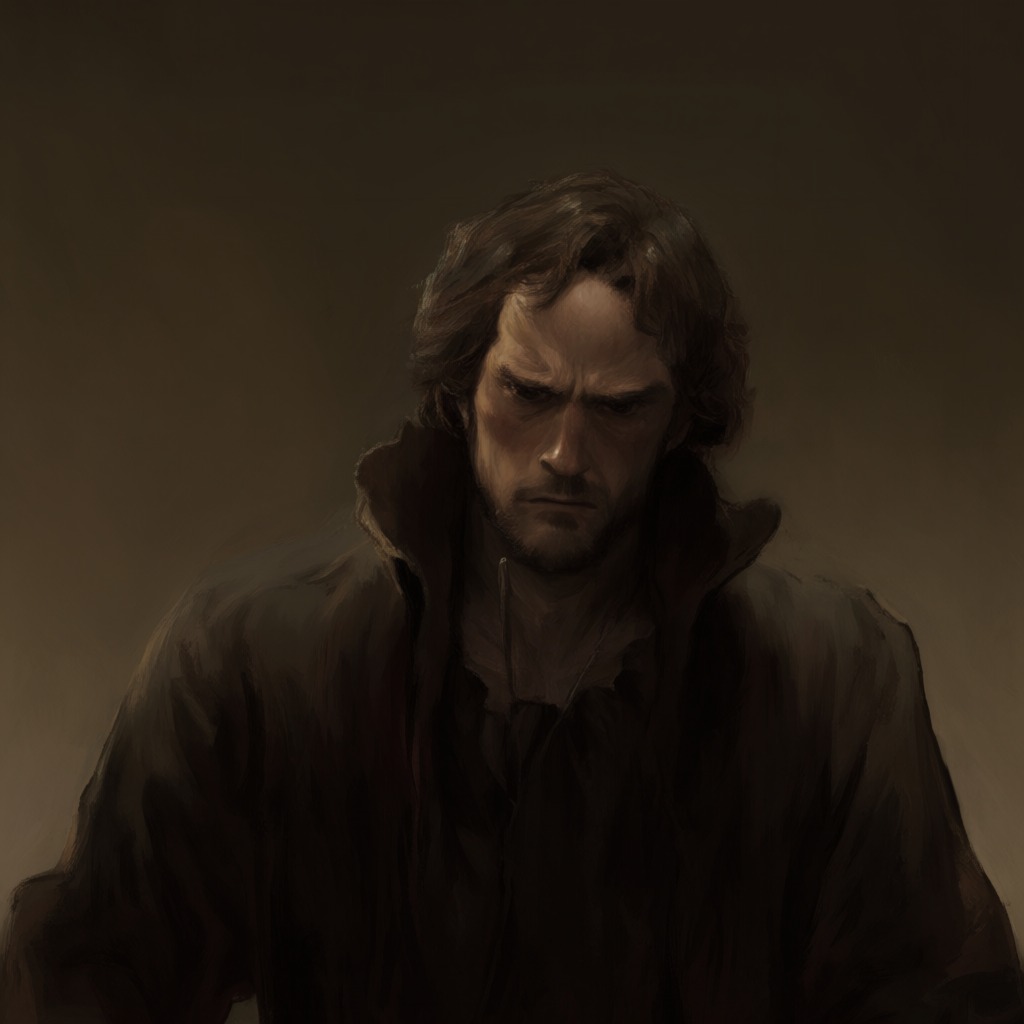
Huckleberry Finn had been keeping his nightly vigil near the Temperance Tavern, hoping to catch Injun Joe leaving so that he and Tom could steal the treasure box. Instead, he saw the two men emerge from the alley door and followed them up Cardiff Hill, believing they were moving the treasure. When they stopped at the stile and he overheard their murderous conversation, a "deadly chill" went to his heart. He remembered that the Widow Douglas had been kind to him more than once, and despite his terror—he knew that Injun Joe would kill him if he were discovered—he decided he must warn someone. Retreating carefully through the sumach bushes, he snapped a twig but managed to escape undetected. He ran down the hill to the Welshman's house and banged on the door, begging to be let in and pleading that his informant role never be revealed.
The Ambush and Its Aftermath
The Welshman and his two stalwart sons armed themselves and crept up the hill to the sumach path. As they approached within fifteen feet of the men in the darkness, the Welshman was seized by an uncontrollable sneeze. The sound alerted the villains, who began to rustle away. The Welshman shouted "Fire, boys!" and the three of them blazed away with their pistols. The two men fired back but their bullets went wide, and they escaped into the woods. A posse was raised to guard the riverbank, and the sheriff planned to beat the woods at daylight. The Welshman's sons joined the search. The widow, who had slept through the entire commotion, was told the next morning that her house had been guarded through the night by the Welshman's three negro men. The news of the attempted attack spread through the village, but it was quickly overshadowed by the far greater crisis: Tom and Becky had been discovered missing from the picnic and were believed lost in McDougal's Cave.
Significance and Consequences
The rescue had profound consequences for Huck. The Welshman, impressed by the boy's courage, brought him into his home and cared for him when he fell ill with fever. The Widow Douglas, learning that Huck was the anonymous hero, took charge of his convalescence and later adopted him, vowing to give him a home, an education, and a start in business. This introduction to "society" was deeply uncomfortable for Huck, who chafed under the restrictions of clean clothes, regular hours, and church attendance, and he briefly ran away. But the rescue also forged a new bond between Huck and the community: the Welshman told him that his name could "open this door night or day," a welcome he had never before received. Moreover, Huck's action inadvertently preserved the treasure—for Injun Joe, having been driven from the widow's grounds, returned to his hideout in the cave, where he later died, leaving the gold to be discovered by Tom and Huck. The rescue thus stands as the moral fulcrum of Huck's arc: the moment when his loyalty to a friend and his sense of justice overcame his fear, and when the outcast boy first earned the gratitude and trust of the adult world.